LIVE ONLINE
Guided meditation
One place for a live online meditation session.
£3 per person
GEORGE’S GORGEOUS GARDENS
Plants, traditional herbal tinctures and a little more from George’s.
UK delivery: £8.50, free over £40 · Free shop collection
Despatched with care. We despatch plants on Mondays and Tuesdays only, to help keep their journey short and prevent them spending too long packed away. A long weekend in a cardboard box is nobody’s idea of a treat—especially a fern’s.
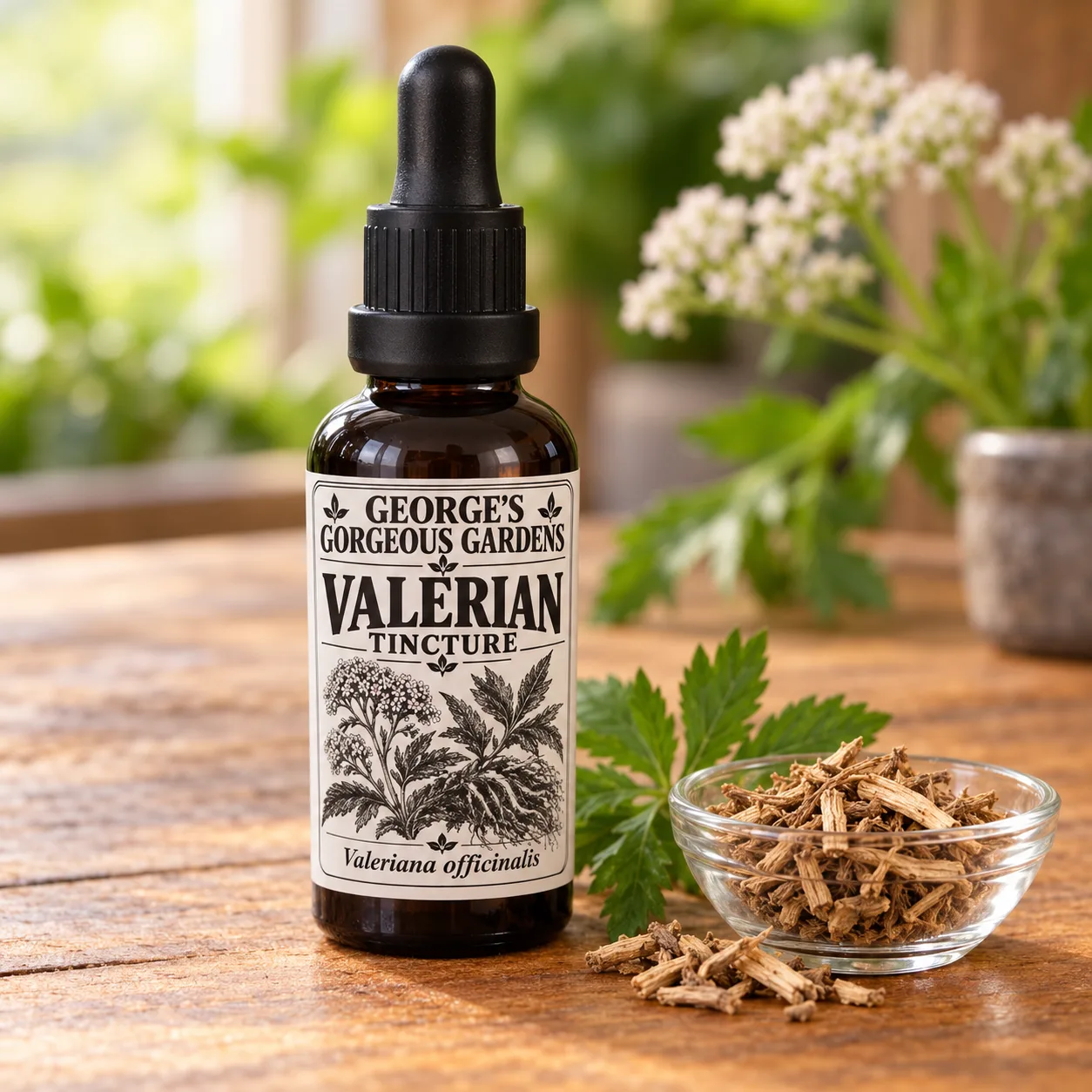
£7.99
View details ↗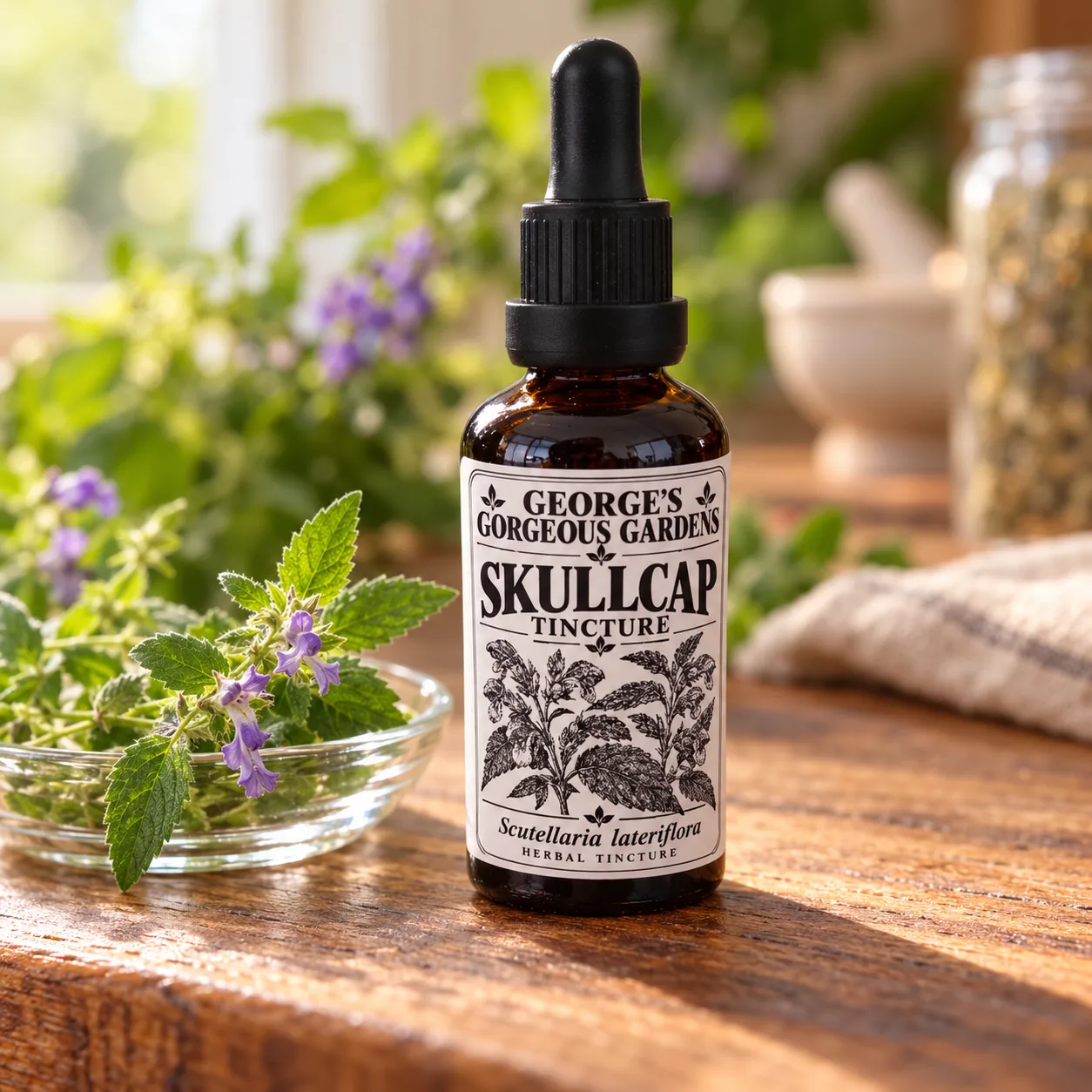
£7.99
View details ↗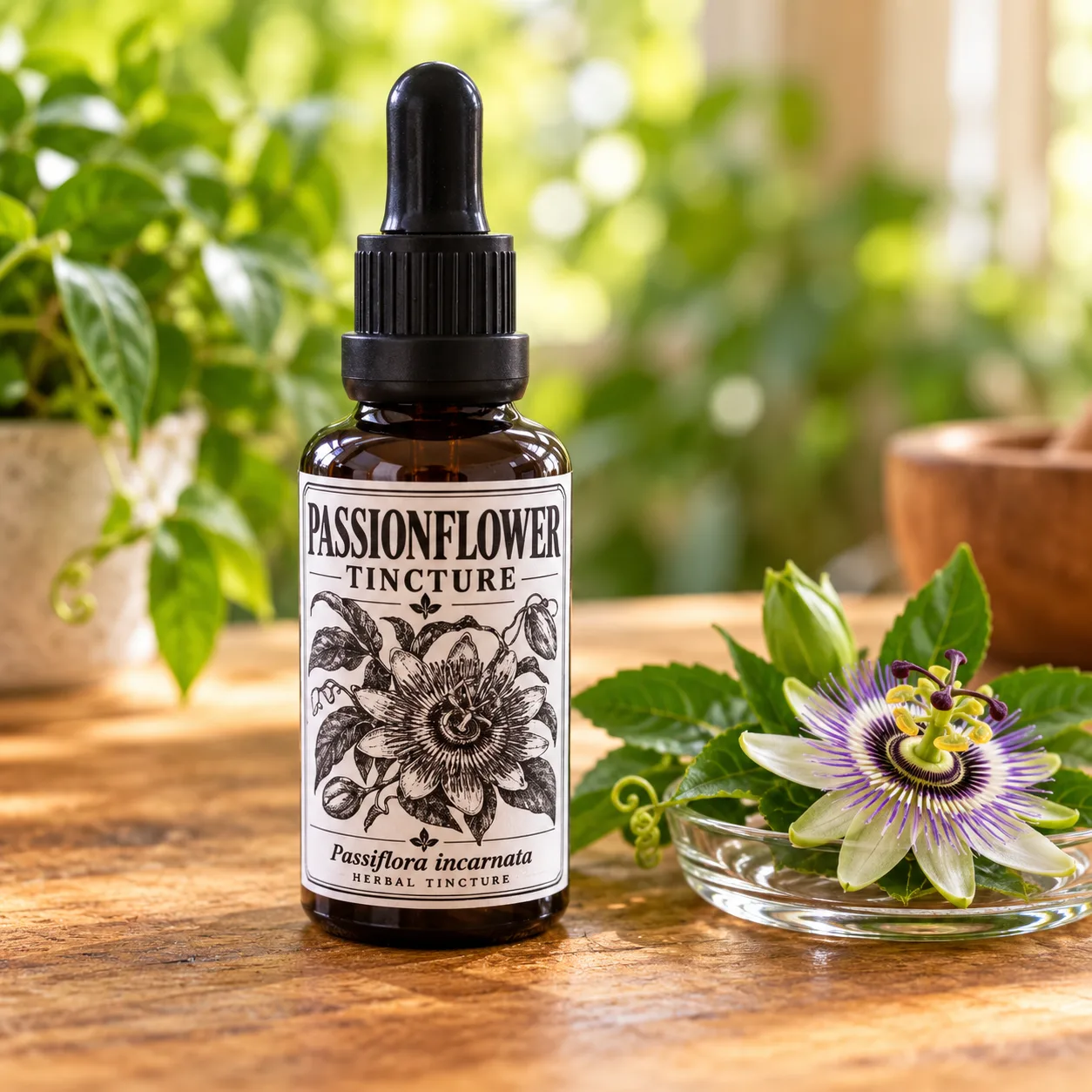
£7.99
View details ↗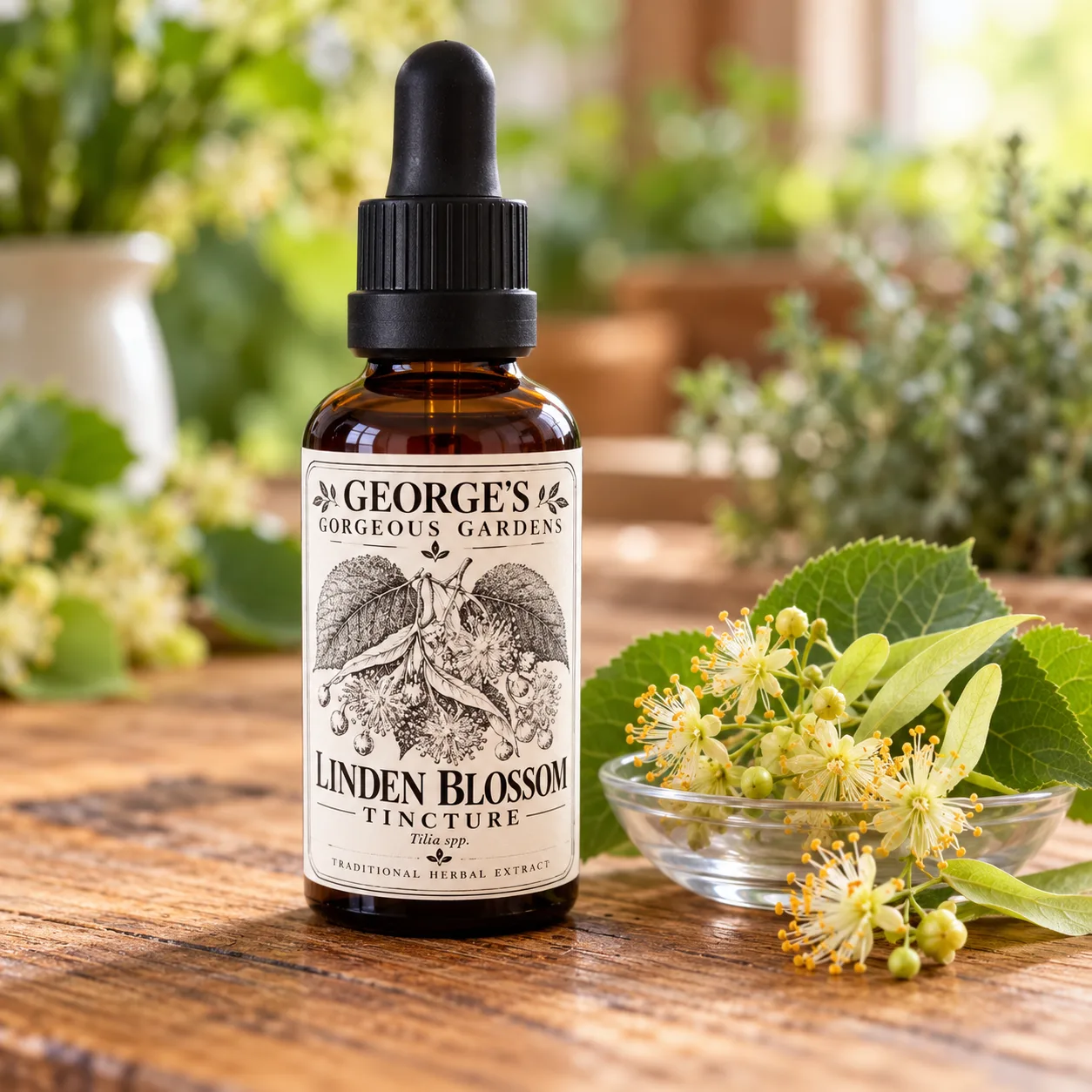
£7.99
View details ↗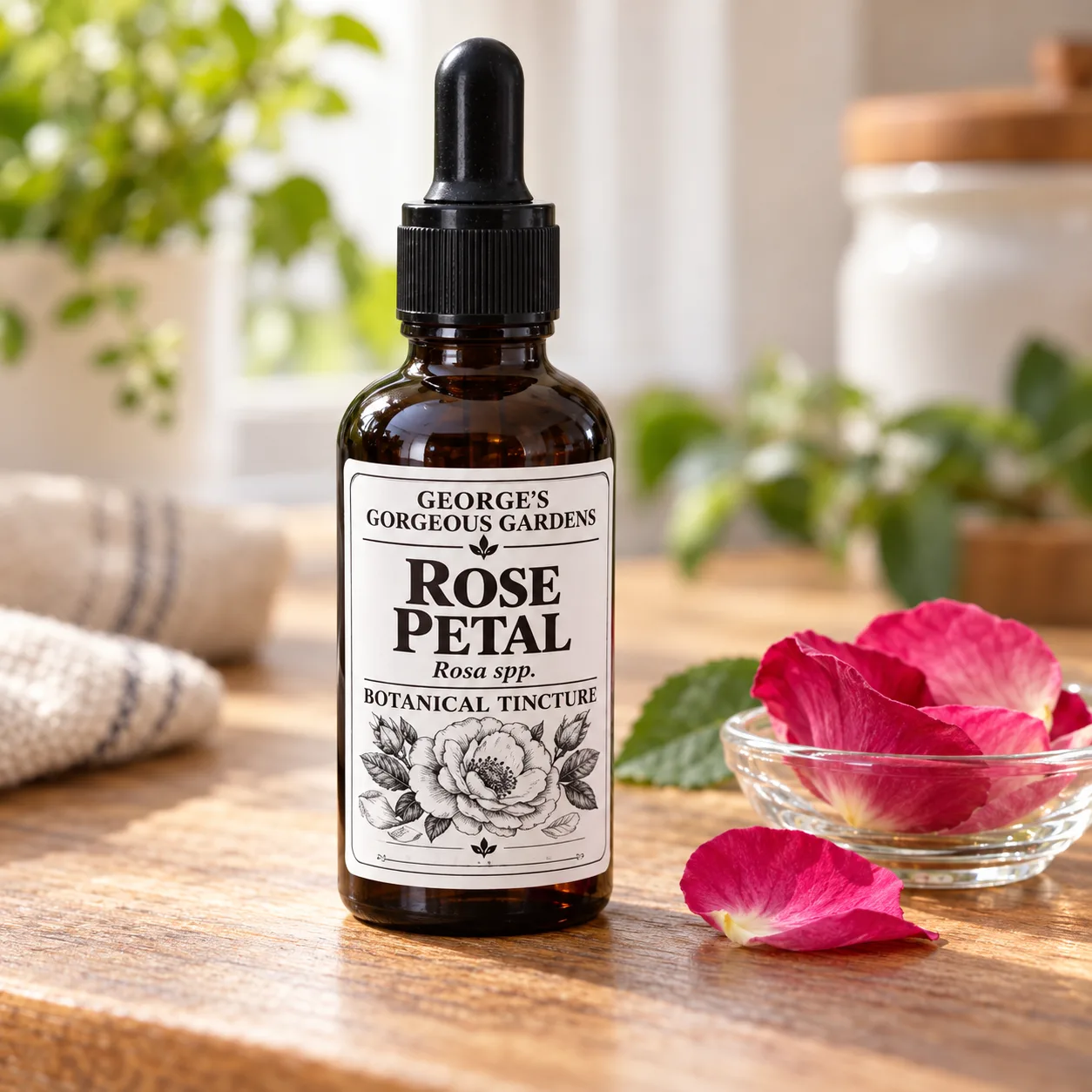
£8.99
View details ↗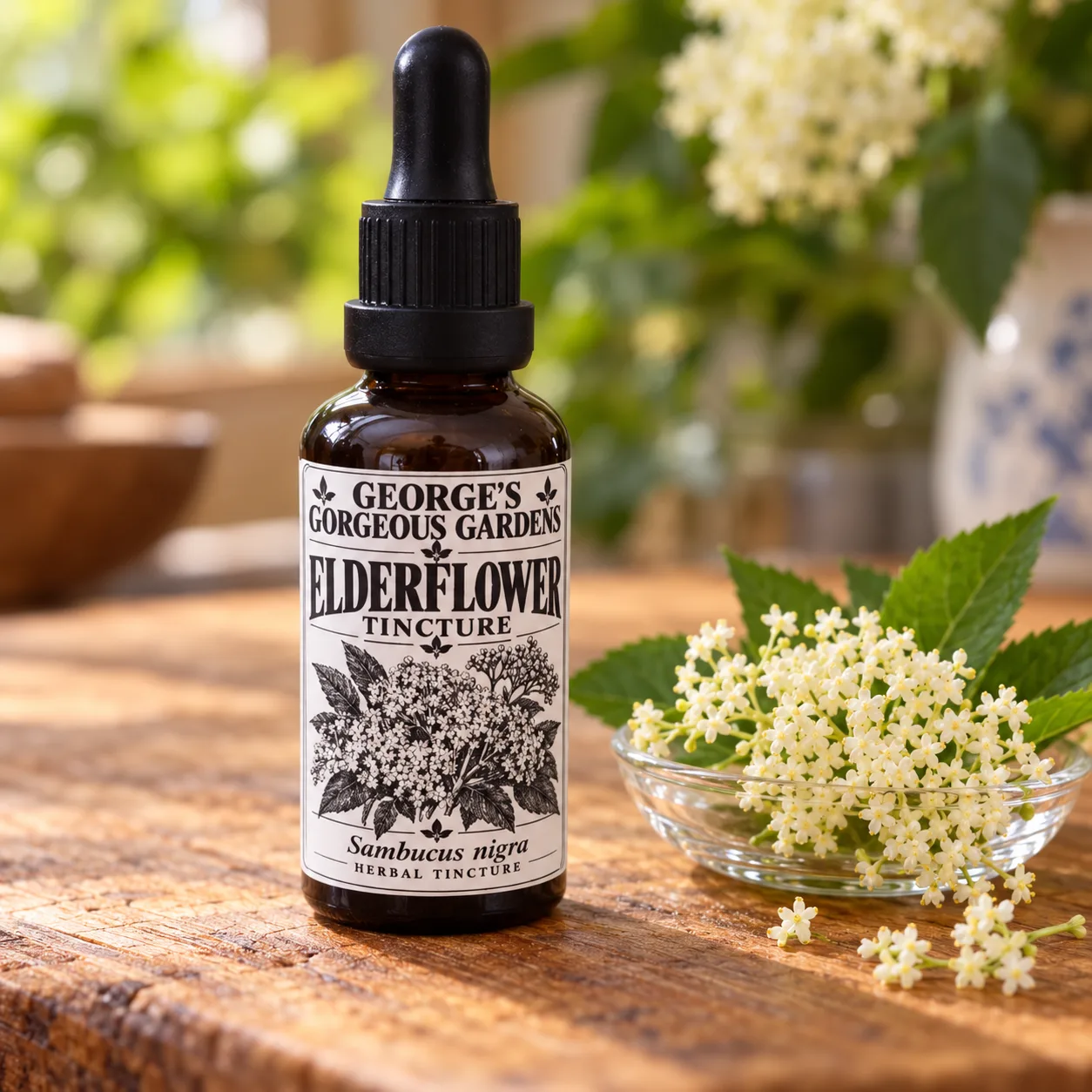
£7.99
View details ↗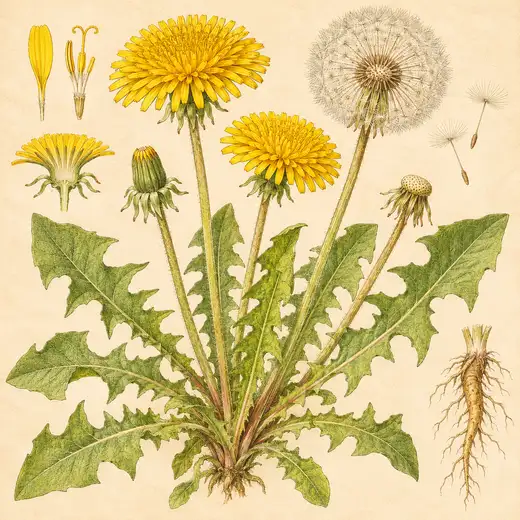
A familiar plant of lawns, meadows, paths and other open ground, dandelion flowers mainly in spring and early summer, sometimes again later. The young leaves have traditionally been eaten as salad greens and used in herbal infusions.
£4.00
View details ↗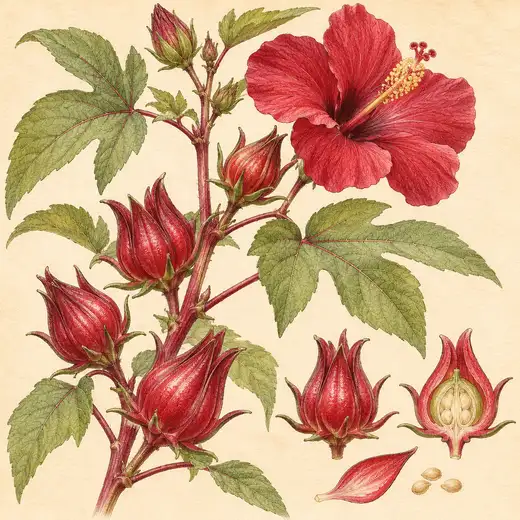
Roselle, the hibiscus commonly used for dried drinks, thrives in warm, sunny, frost-free climates. Flowering depends on variety and day length, often occurring toward the end of the growing season. Its fleshy red calyces are traditionally used in tart drinks and preserves.
£4.00
View details ↗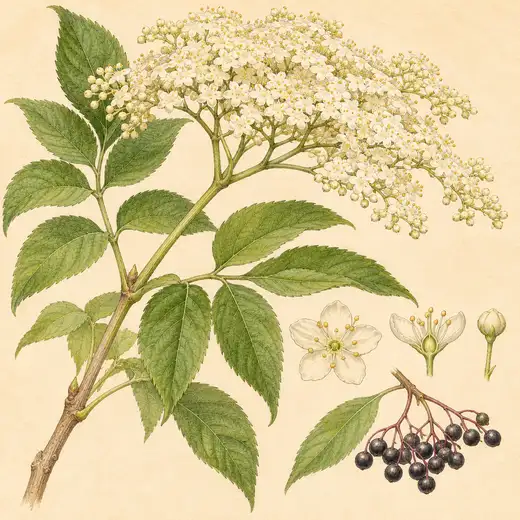
Common elder grows in hedgerows and woodland edges, in sun or partial shade. Its fragrant flower clusters usually appear from May to July and are traditionally used in cordials, syrups and herbal infusions.
£4.00
View details ↗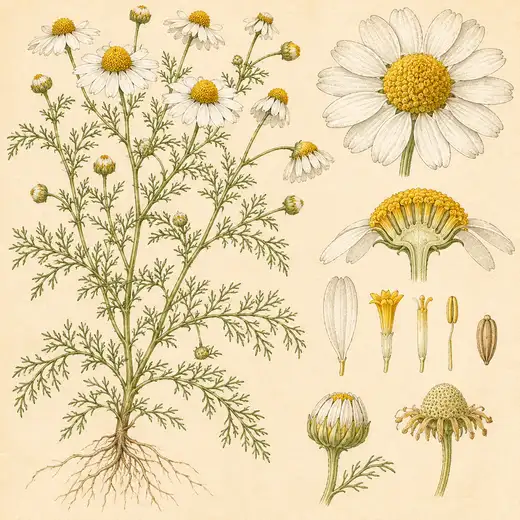
Chamomile enjoys open, sunny ground and light, well-drained soil. Its daisy-like flowers usually appear from June to August; the flowers have a long tradition of use in herbal infusions and other preparations.
£4.00
View details ↗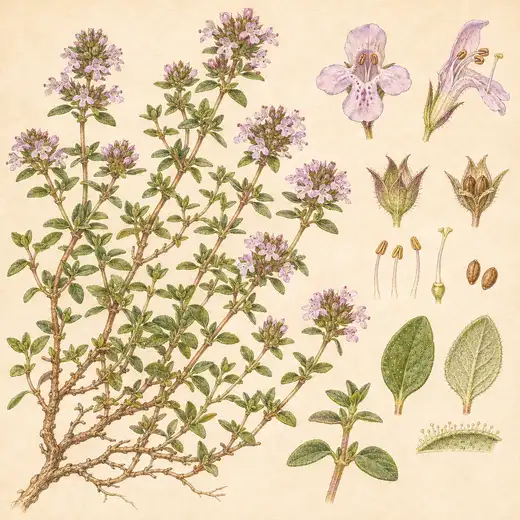
A sun-loving Mediterranean herb, thyme prefers dry, well-drained soil. Its small flowers appear in late spring or summer, and both leaves and flowers have a long history in cooking and herbal infusions.
£4.00
View details ↗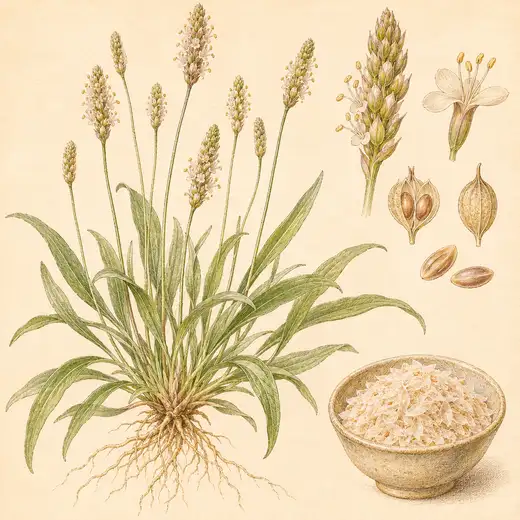
Psyllium grows in dry, sandy regions; its small flower spikes usually develop in spring in its native range. The husks are seed coats and have a long history as a fibre-rich ingredient in traditional preparations.
£4.00
View details ↗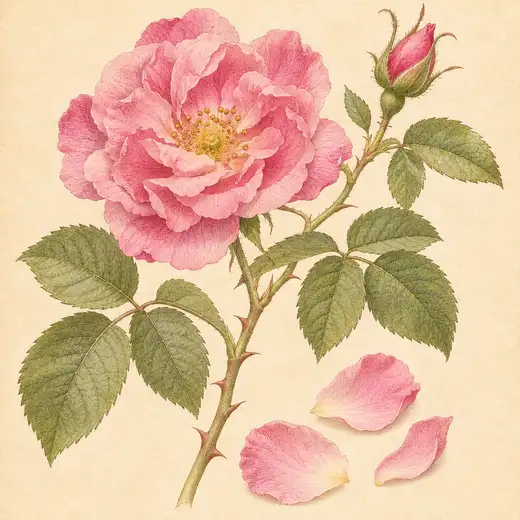
Roses generally flourish in sunny places with well-drained soil. Many flower from early summer into autumn, depending on variety. Fragrant petals have long featured in sweets, drinks, rosewater and floral preparations.
£4.50
View details ↗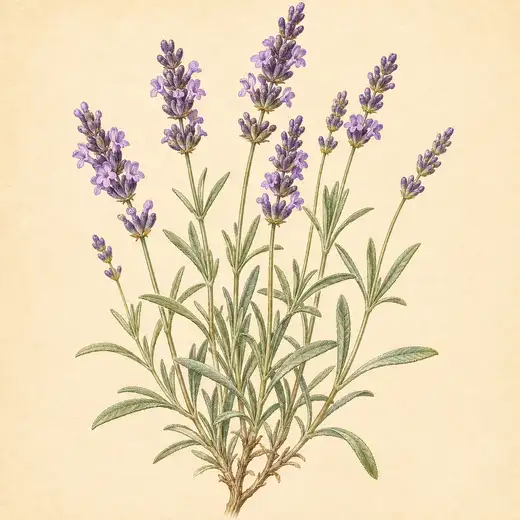
Lavender prefers full sun and light, free-draining soil, and usually flowers in mid to late summer. Its fragrant flowers have long been used in sachets, perfumery and traditional infusions.
£4.50
View details ↗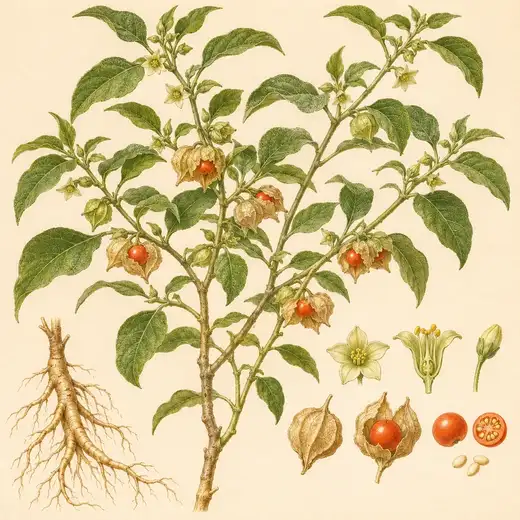
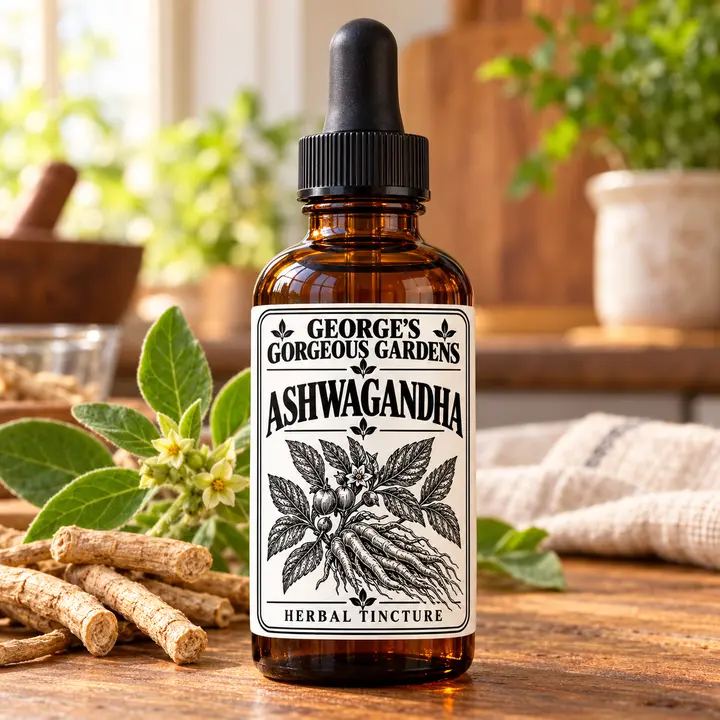
Native to warm regions, it grows in open, sunny places and disturbed ground. Its small flowers and orange-red berries can appear through much of the year in suitable climates. Its root has a long history in Ayurvedic herbal preparations.
£4.00
View details ↗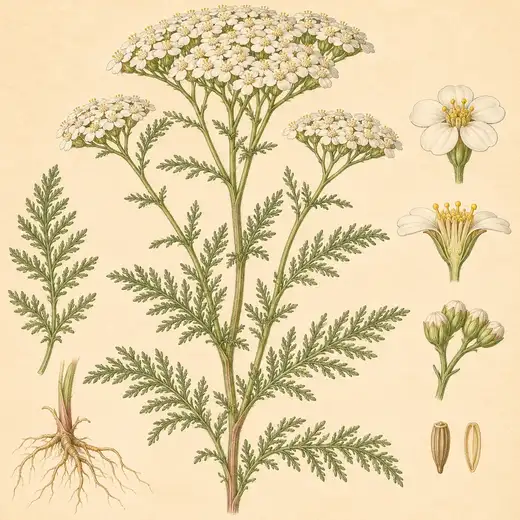
Yarrow grows in open grassland and sunny places, including poorer, drier soils. Its flat flower clusters are a summer and early-autumn feature; the herb has a long history in European herbal traditions.
£4.00
View details ↗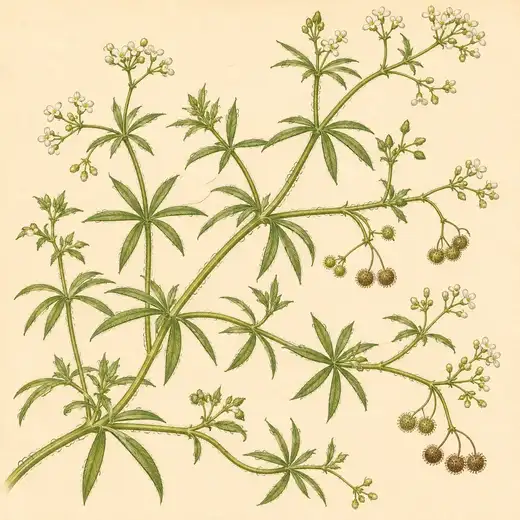
Often scrambling through hedgerows, field margins and gardens, cleavers produces tiny pale flowers in spring and summer. The young plant has traditionally been eaten as a green, and the herb has also been used in traditional infusions.
£4.00
View details ↗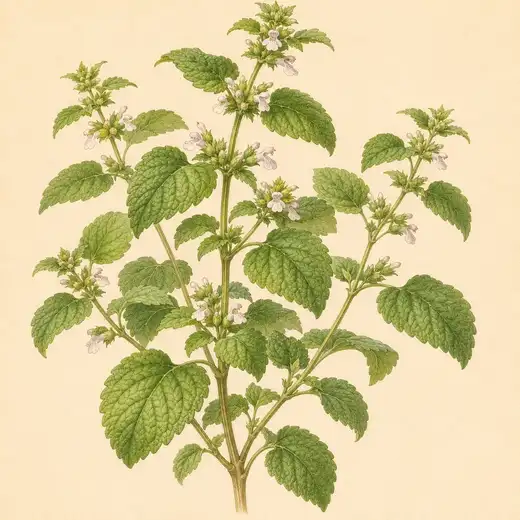
This lemon-scented herb grows in a range of soils, in sun or partial shade, and bears small flowers in summer. Its leaves are traditionally used in cooking, fragrant teas and herbal preparations.
£4.00
View details ↗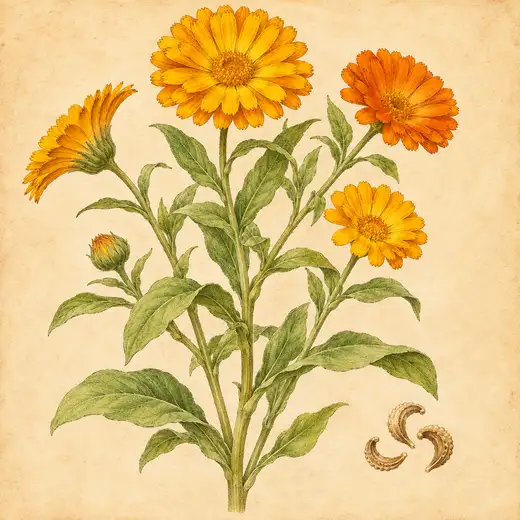
An easy-going plant for sunny or lightly shaded spots and free-draining soil. Its bright flowers often continue from summer into autumn, sometimes until the first hard frost. Calendula flowers have a history of use in traditional herbal and skincare preparations.
£4.00
View details ↗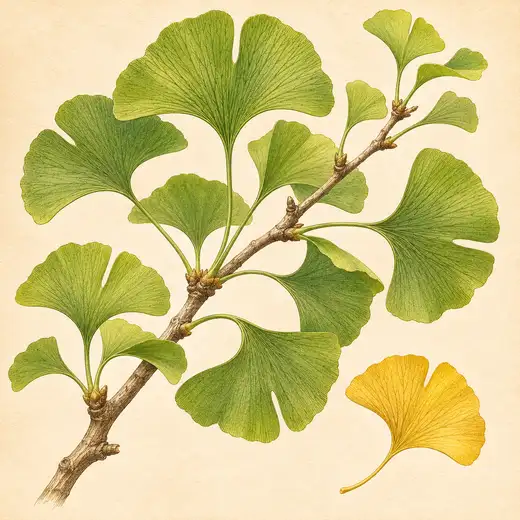
The maidenhair tree grows best in sunny places with well-drained soil. It flowers in spring, and its distinctive fan-shaped leaves turn golden in autumn. Ginkgo leaves have a long history in traditional Chinese herbal practice.
£4.00
View details ↗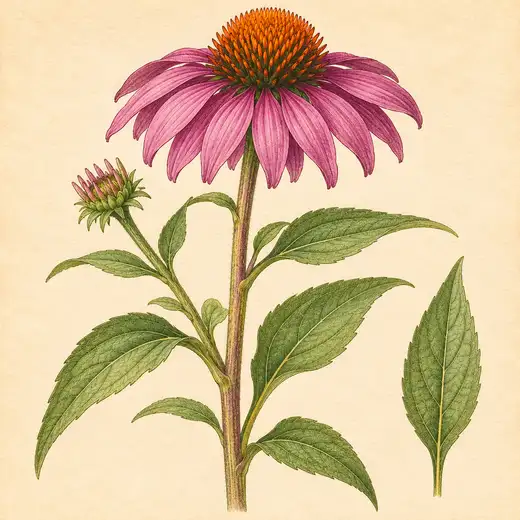
Native to prairies and open woods, echinacea prefers sunny, well-drained sites. It flowers in summer, usually June to August. The flowering aerial parts, including the leaves, have a history in traditional herbal preparations.
£4.00
View details ↗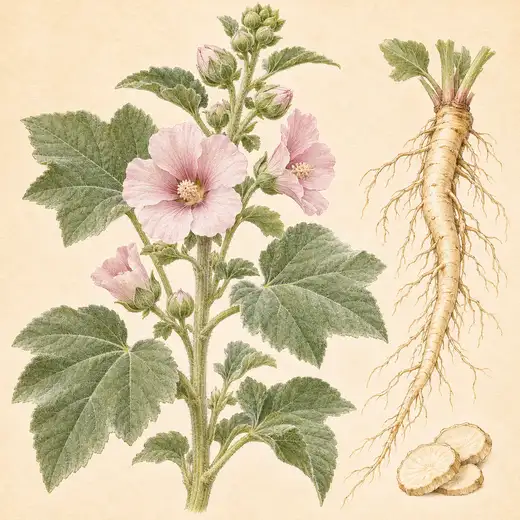
Marshmallow favours damp meadows, marshes and stream edges, with moist soil. Its pale pink flowers appear from midsummer to early autumn. The mucilaginous root has a long history in European herbal preparations and was also used in early marshmallow confection.
£4.00
View details ↗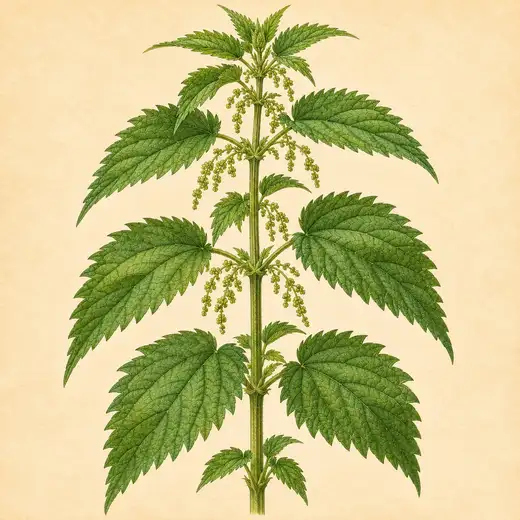
Nettle is common in fertile, moist places such as field margins and woodland edges. Its greenish flowers appear from late spring to early autumn. Young leaves have traditionally been eaten as a spring green, added to soups and brewed as an infusion.
£4.00
View details ↗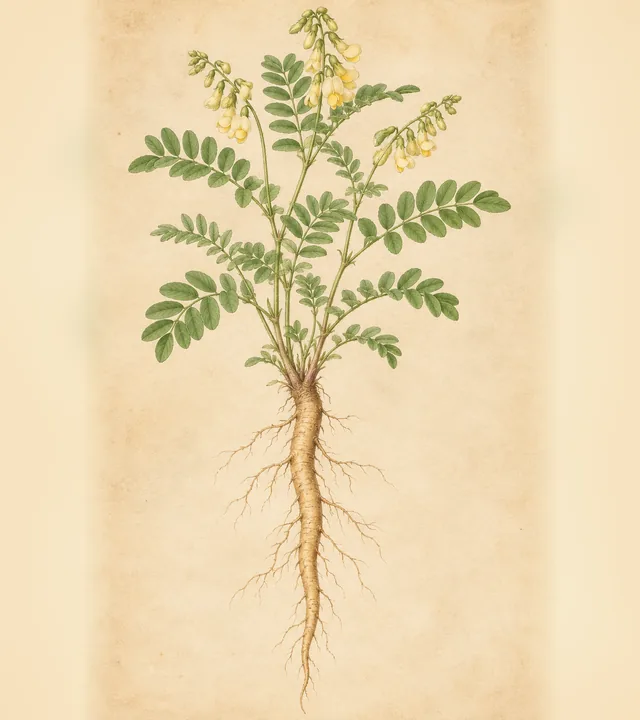
Astragalus membranaceus is native to northern China and parts of Mongolia, where it grows in sunny, well-drained grassland and open slopes. Its pale yellow, pea-shaped flowers appear in early to midsummer. The dried root, known as huang qi, has a long history in traditional Chinese herbal practice.
£4.50
View details ↗
£4.00
View details ↗
£4.50
View details ↗
£3.50
View details ↗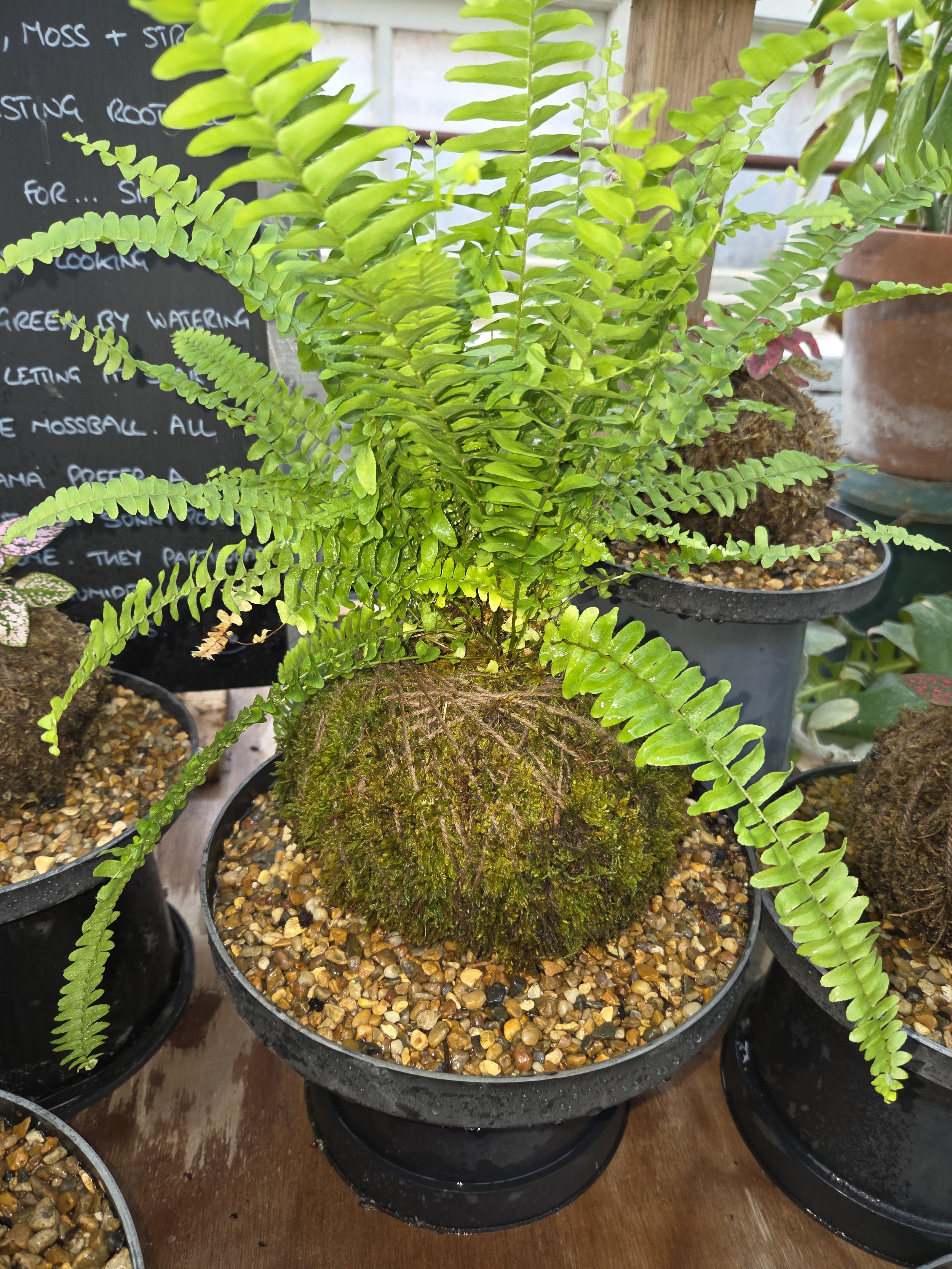
£35.00
View plant ↗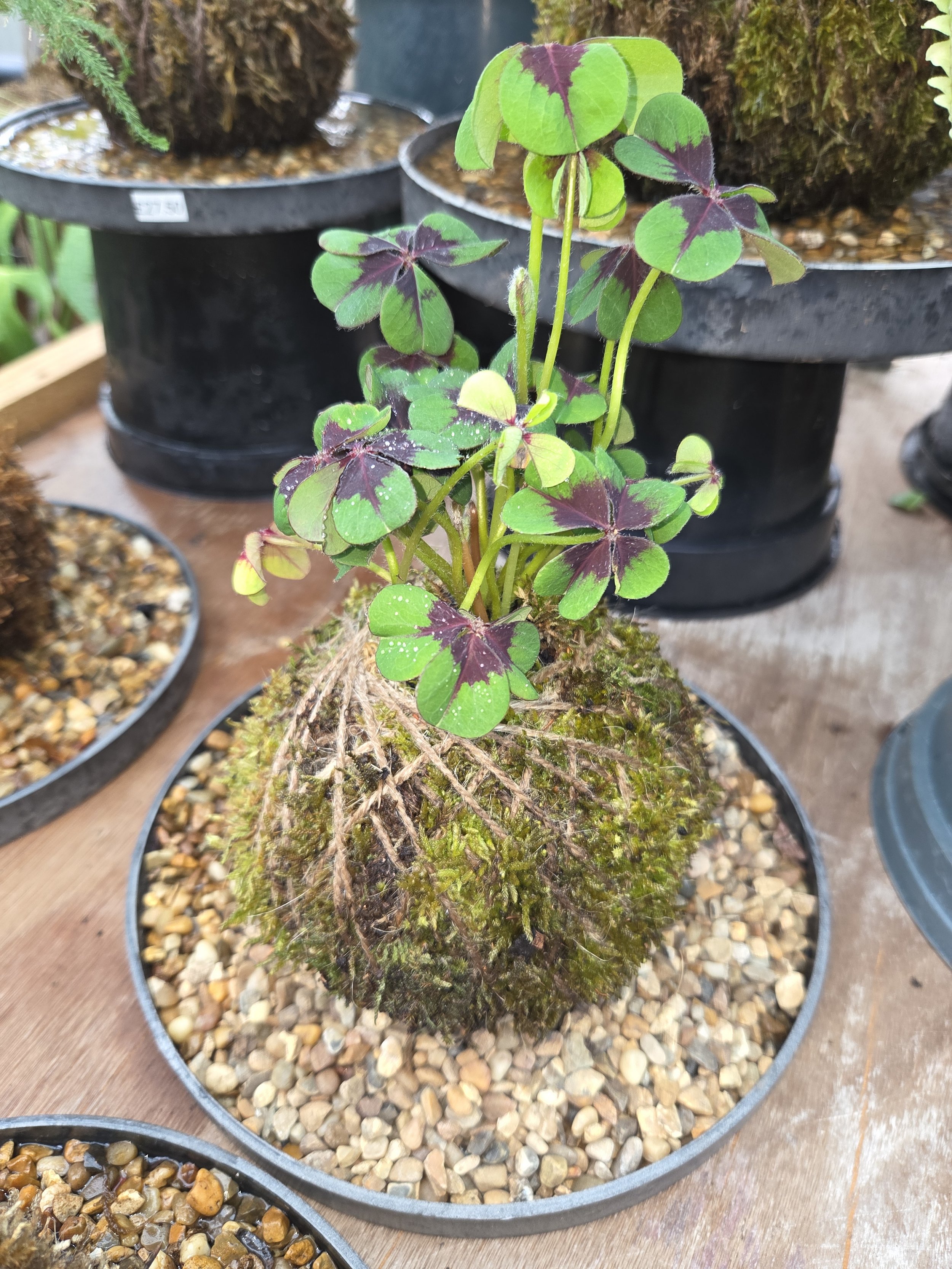
£27.50
View plant ↗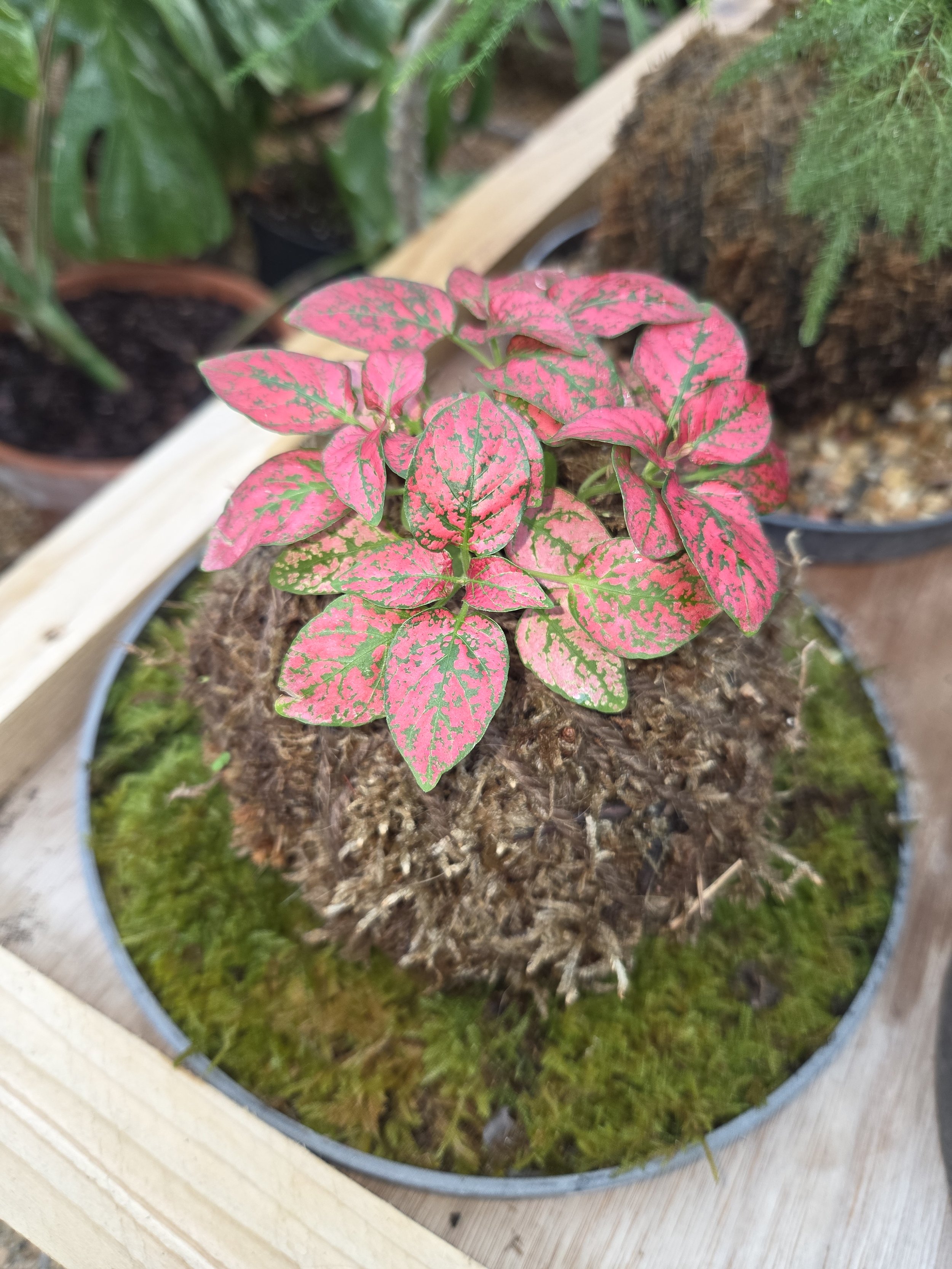
£27.50
View plant ↗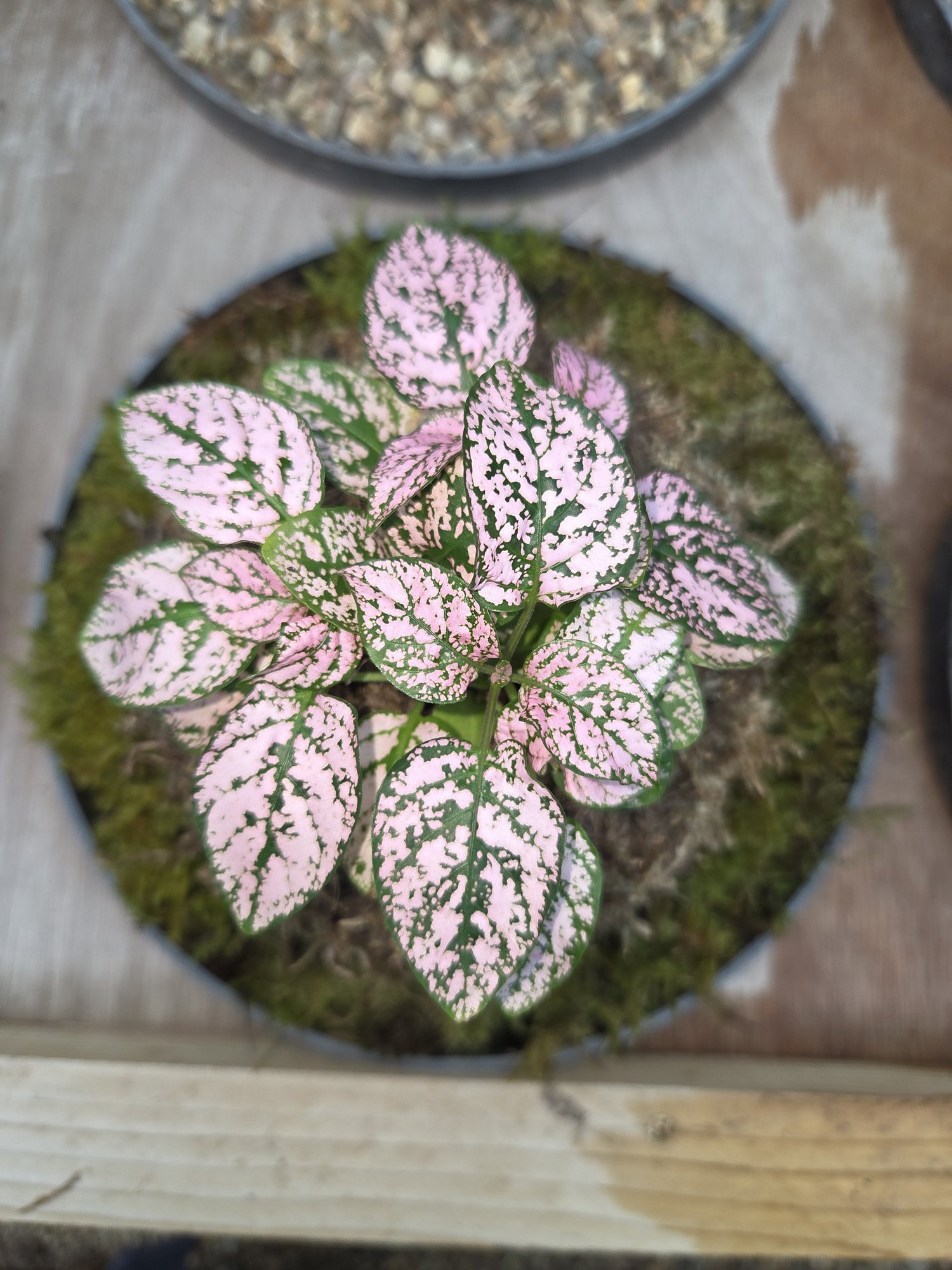
£27.50
View plant ↗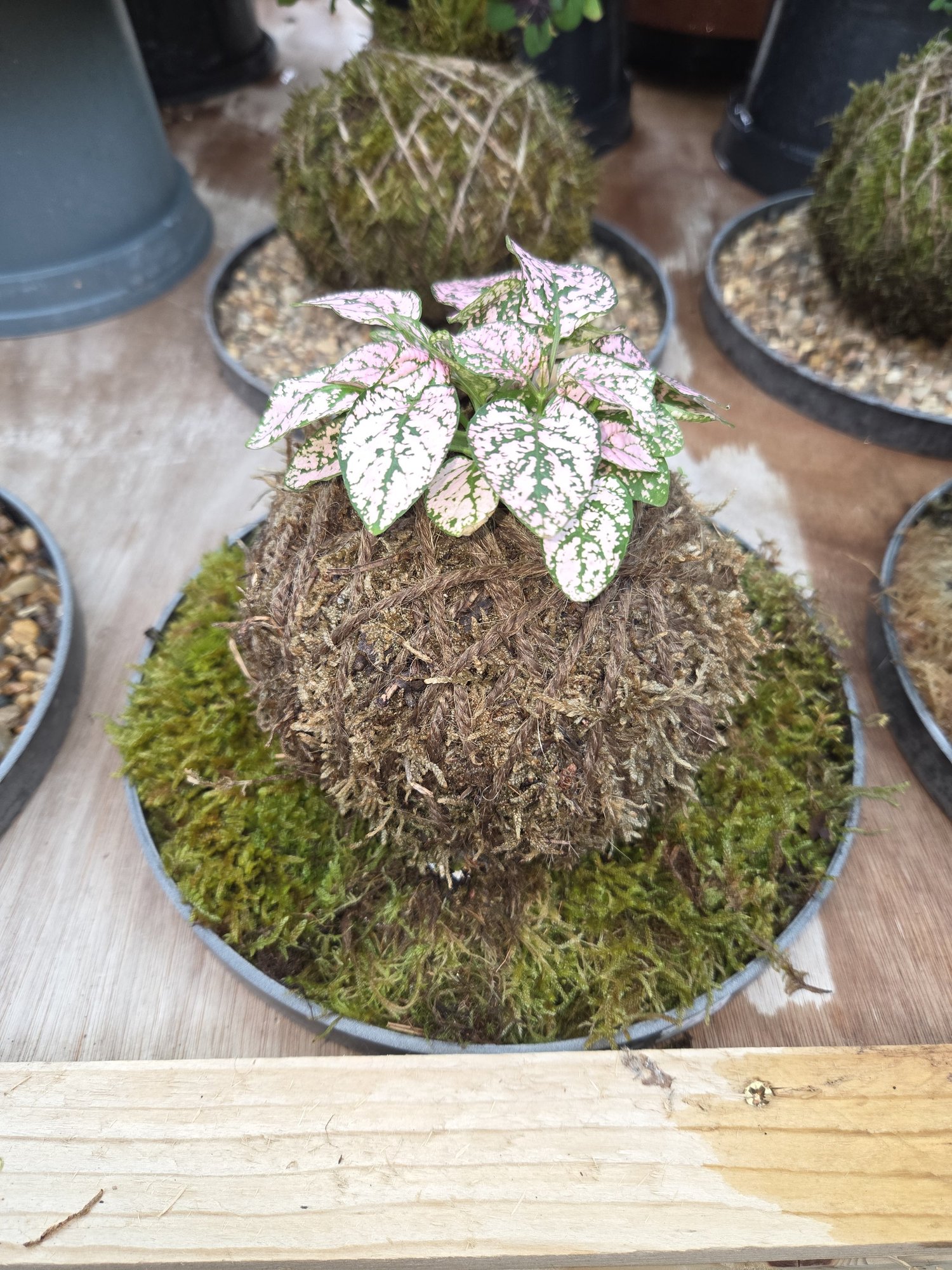
£27.50
View plant ↗IN PRODUCTION
These new herbal tinctures are being prepared in small batches. Send a pre-order request to hear when they are ready.
In production
Pre-order ↗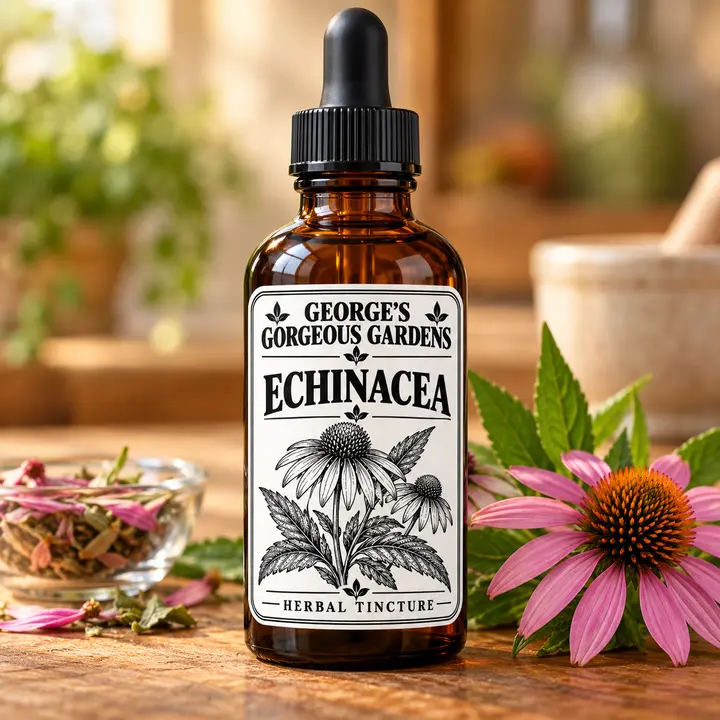
In production
Pre-order ↗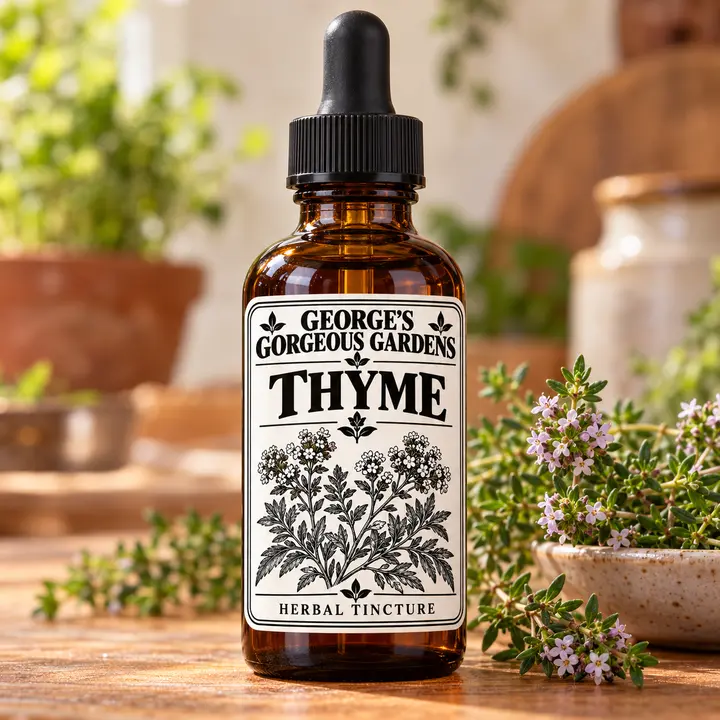
In production
Pre-order ↗
In production
Pre-order ↗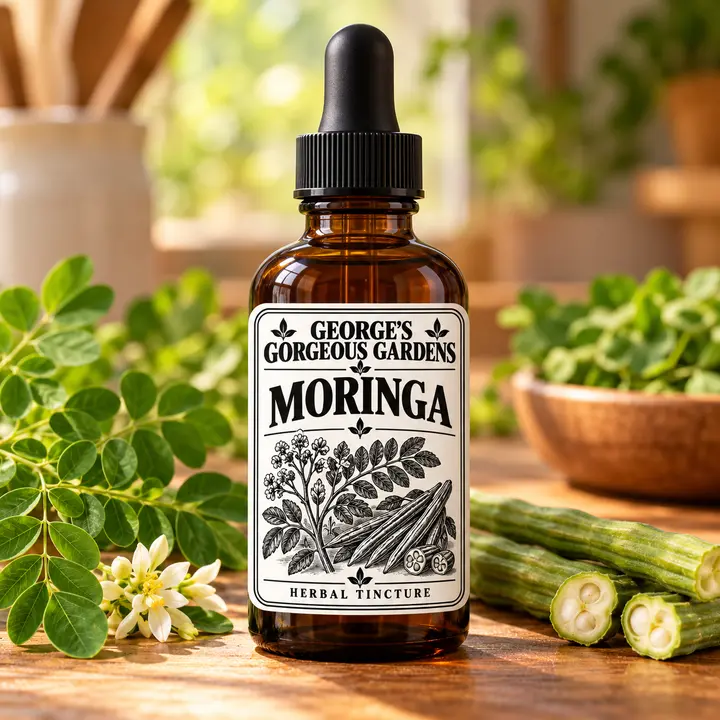
In production
Pre-order ↗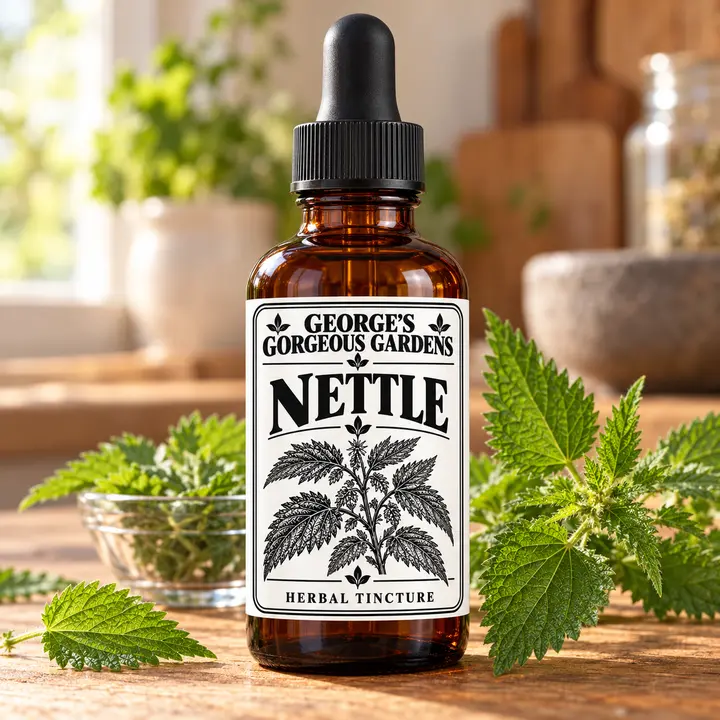
In production
Pre-order ↗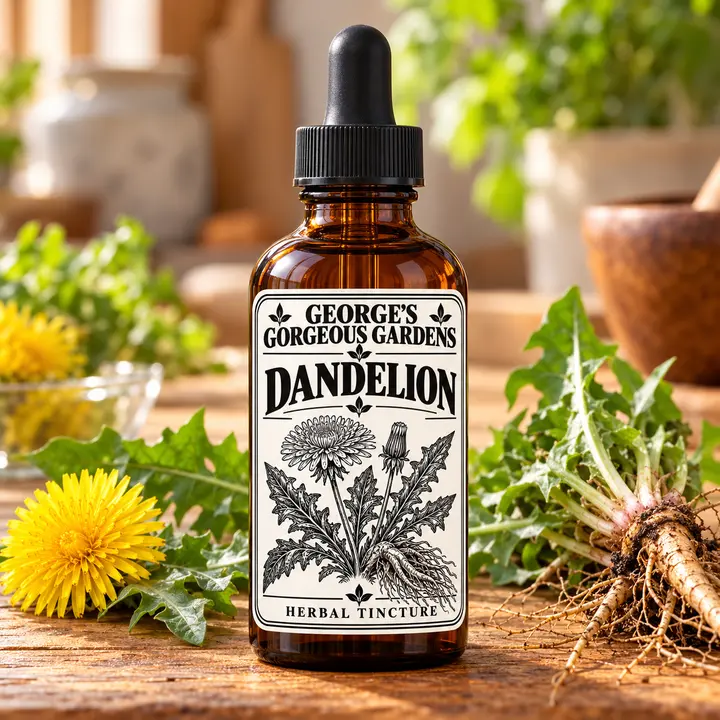
In production
Pre-order ↗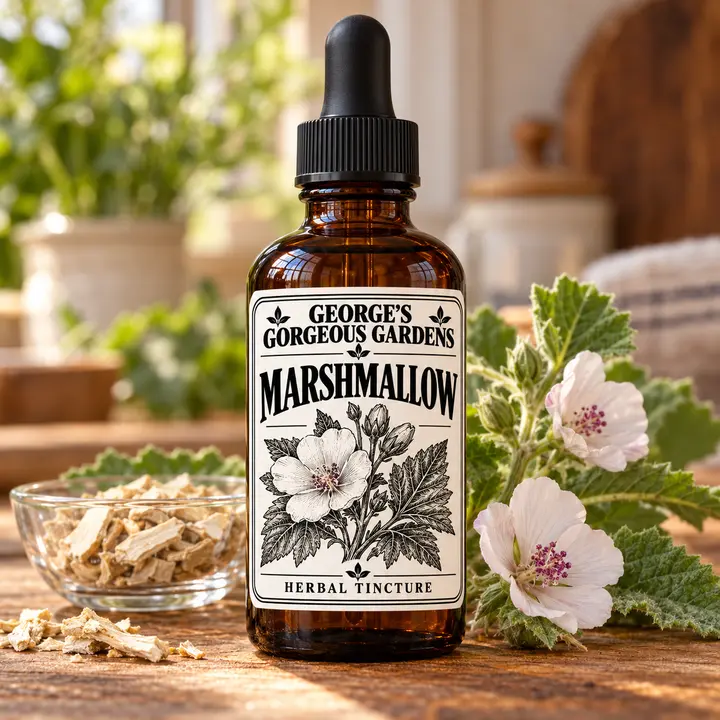
In production
Pre-order ↗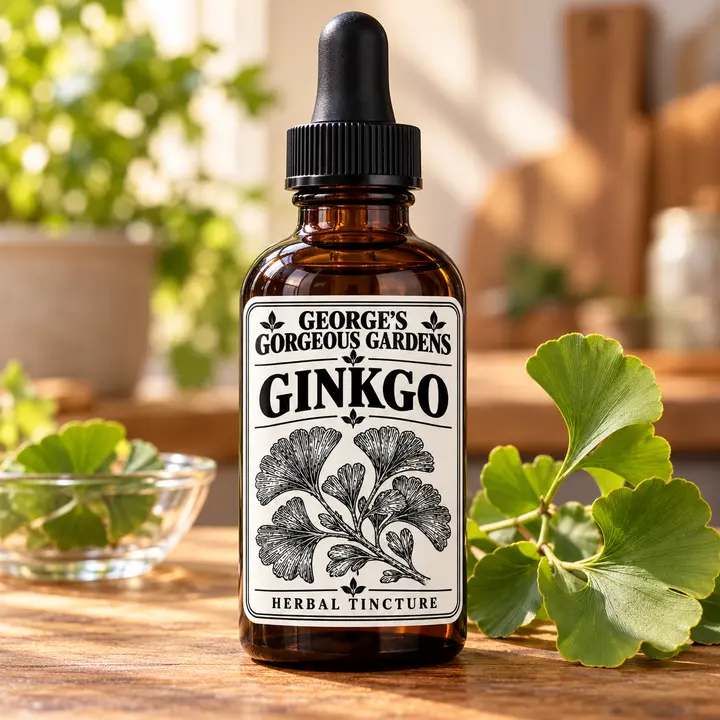
In production
Pre-order ↗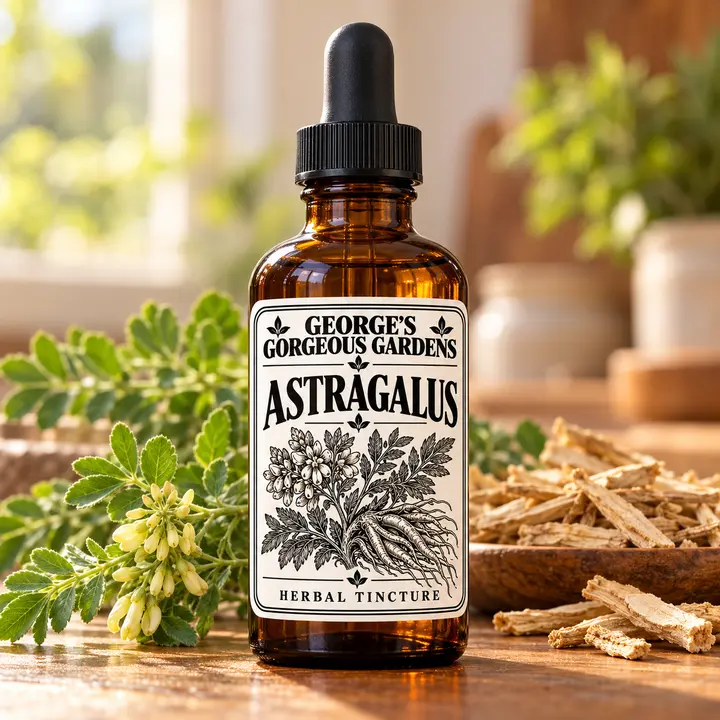
In production
Pre-order ↗£5.00 every month
View details ↗
from £10.00
View details ↗
from £5.00
View details ↗LIVE ONLINE SESSIONS
Choose a live session and pay securely with PayPal. Session dates and times are shown below; George sends the Teams or Zoom invitation separately after booking.
Read about the sessionsLIVE ONLINE
One place for a live online meditation session.
£3 per person
AROUND ONE HOUR
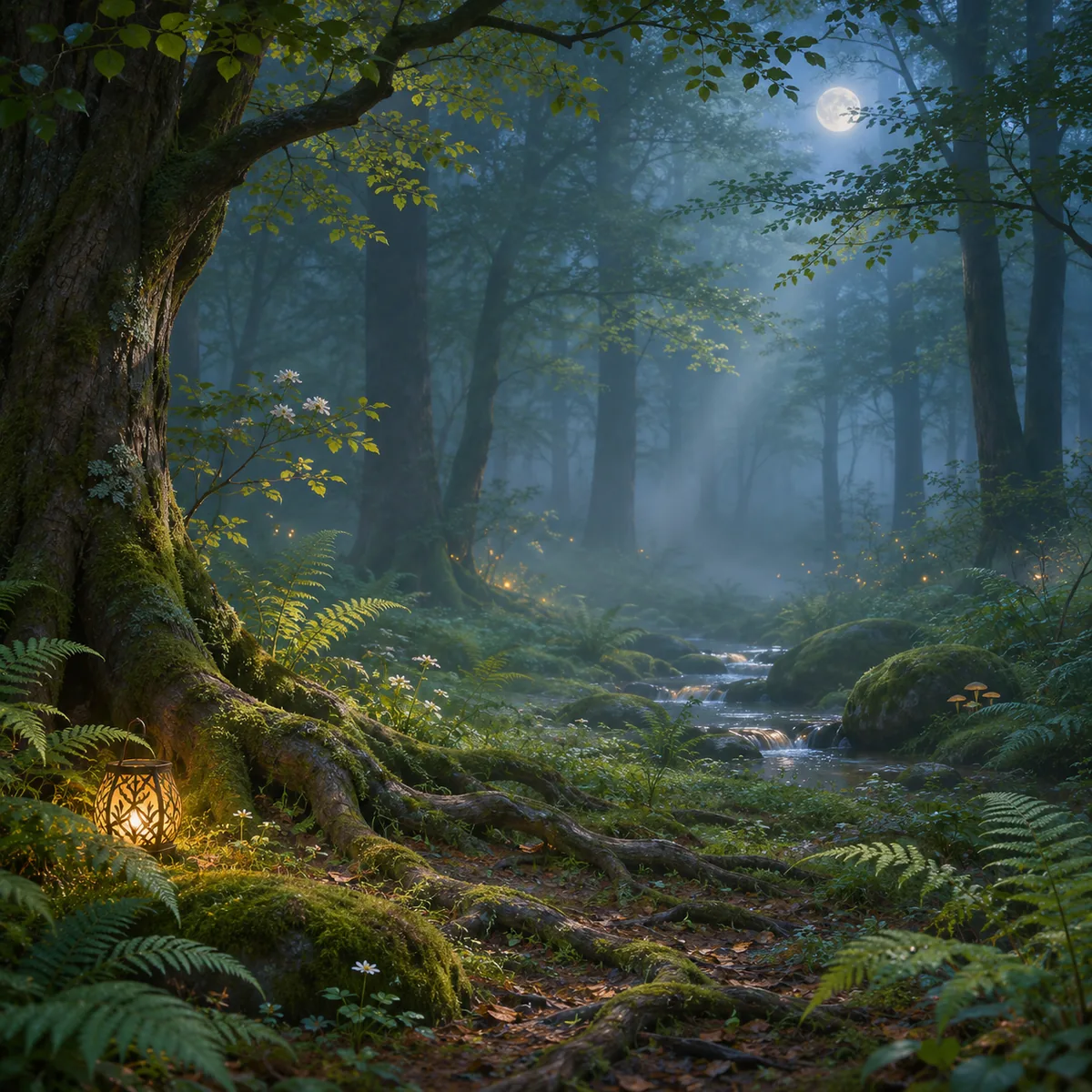
Sunday 29 November 2026 · 7.30pm (UK time)
A grounding journey through the forest within, conjuring up powerful imagery of roots, trees and living woodland.
£8 for an hour’s relaxing immersion into the wisdom of the natural world