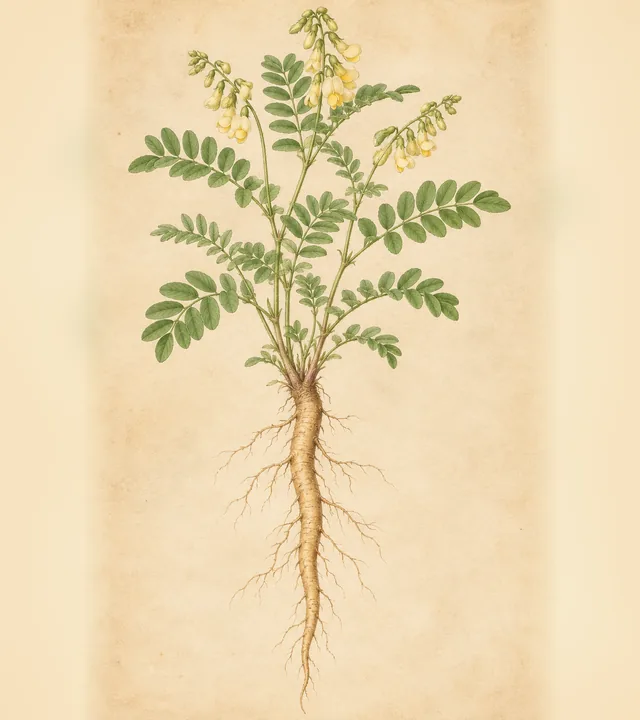
Astragalus root
Astragalus membranaceus is native to northern China and parts of Mongolia, where it grows in sunny, well-drained grassland and open slopes. Its pale yellow, pea-shaped flowers appear in early to midsummer. The dried root, known as huang qi, has a long history in traditional Chinese herbal practice.
40 g bag
£4.50
View and buy ↗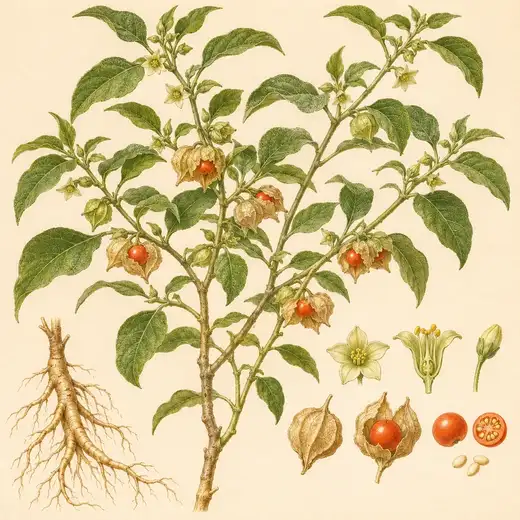
Ashwagandha
Native to warm regions, it grows in open, sunny places and disturbed ground. Its small flowers and orange-red berries can appear through much of the year in suitable climates. Its root has a long history in Ayurvedic herbal preparations.
50 g bag
£4.00
View and buy ↗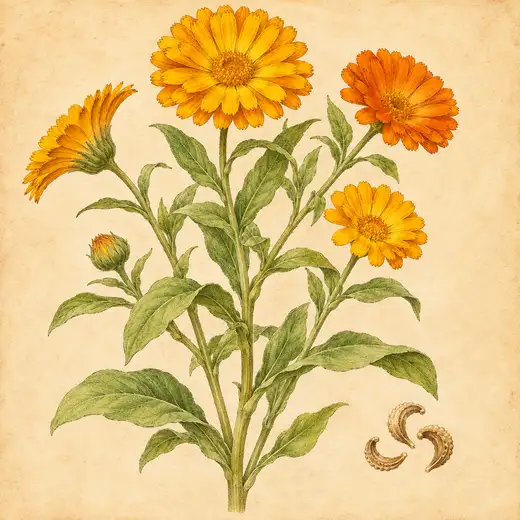
Calendula flowers
An easy-going plant for sunny or lightly shaded spots and free-draining soil. Its bright flowers often continue from summer into autumn, sometimes until the first hard frost. Calendula flowers have a history of use in traditional herbal and skincare preparations.
40 g bag
£4.00
View and buy ↗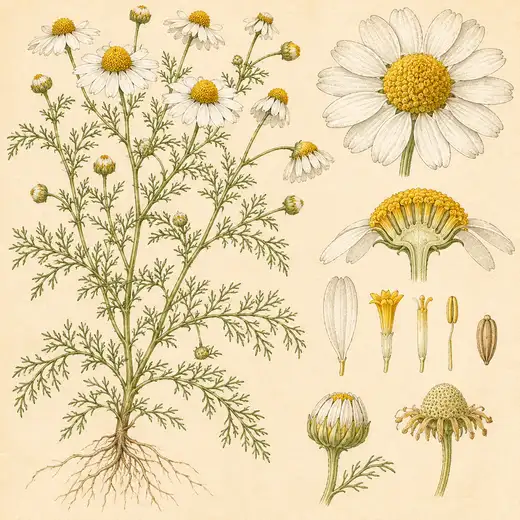
Chamomile Flowers
Chamomile enjoys open, sunny ground and light, well-drained soil. Its daisy-like flowers usually appear from June to August; the flowers have a long tradition of use in herbal infusions and other preparations.
30 g bag
£4.00
View and buy ↗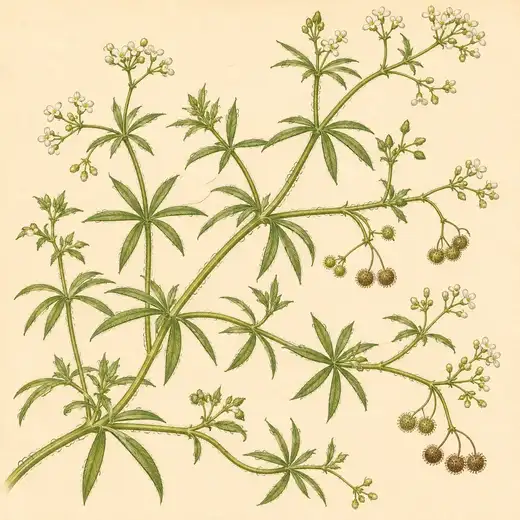
Cleavers
Often scrambling through hedgerows, field margins and gardens, cleavers produces tiny pale flowers in spring and summer. The young plant has traditionally been eaten as a green, and the herb has also been used in traditional infusions.
30 g bag
£4.00
View and buy ↗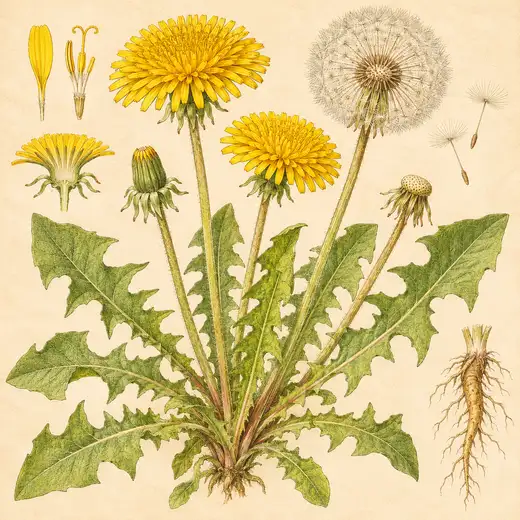
Dandelion leaf
A familiar plant of lawns, meadows, paths and other open ground, dandelion flowers mainly in spring and early summer, sometimes again later. The young leaves have traditionally been eaten as salad greens and used in herbal infusions.
50 g bag
£4.00
View and buy ↗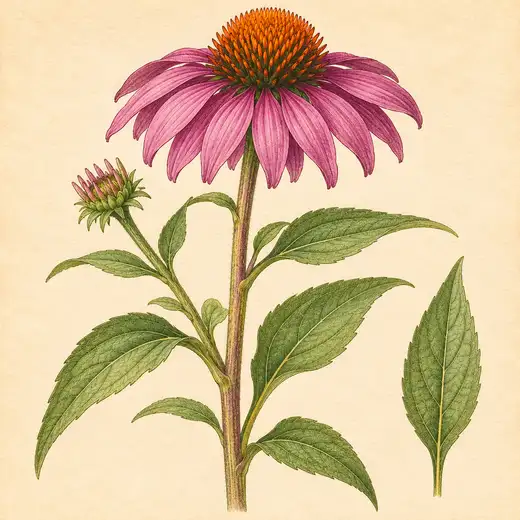
Echinacea Herb
Native to prairies and open woods, echinacea prefers sunny, well-drained sites. It flowers in summer, usually June to August. The flowering aerial parts, including the leaves, have a history in traditional herbal preparations.
30 g bag
£4.00
View and buy ↗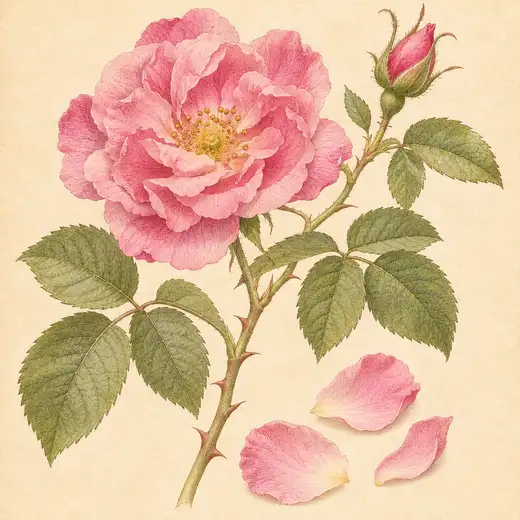
Edible rose petals
Roses generally flourish in sunny places with well-drained soil. Many flower from early summer into autumn, depending on variety. Fragrant petals have long featured in sweets, drinks, rosewater and floral preparations.
25 g bag
£4.50
View and buy ↗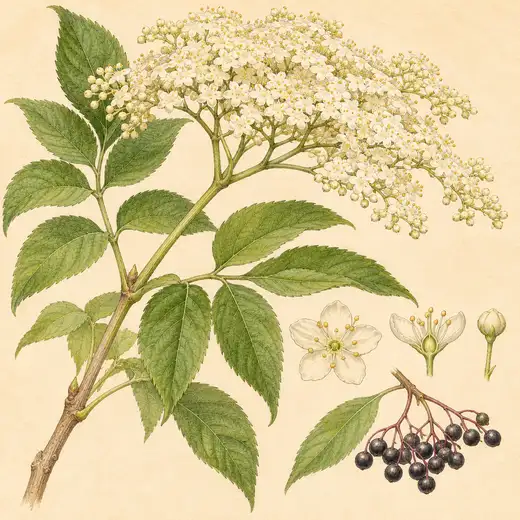
Elderflowers
Common elder grows in hedgerows and woodland edges, in sun or partial shade. Its fragrant flower clusters usually appear from May to July and are traditionally used in cordials, syrups and herbal infusions.
30 g bag
£4.00
View and buy ↗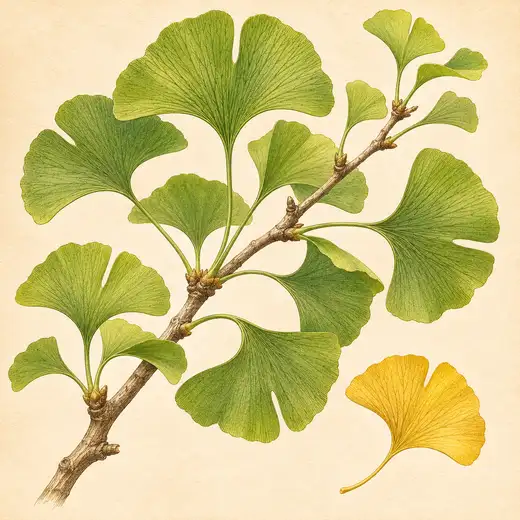
Ginkgo leaf
The maidenhair tree grows best in sunny places with well-drained soil. It flowers in spring, and its distinctive fan-shaped leaves turn golden in autumn. Ginkgo leaves have a long history in traditional Chinese herbal practice.
50 g bag
£4.00
View and buy ↗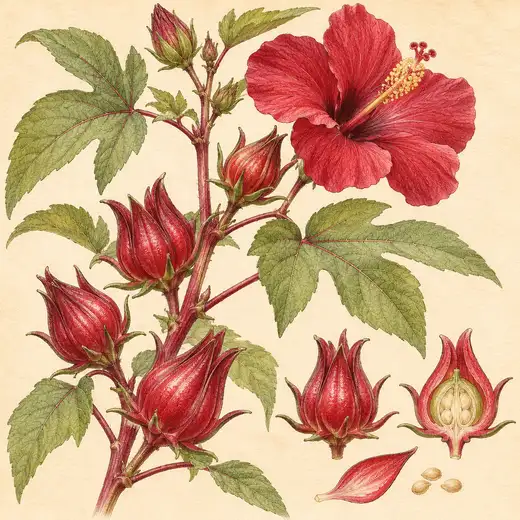
Hibiscus flower
Roselle, the hibiscus commonly used for dried drinks, thrives in warm, sunny, frost-free climates. Flowering depends on variety and day length, often occurring toward the end of the growing season. Its fleshy red calyces are traditionally used in tart drinks and preserves.
50 g bag
£4.00
View and buy ↗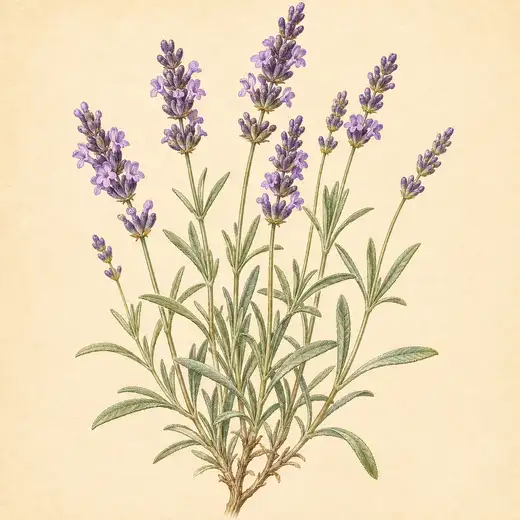
Organic Lavender Flowers
Lavender prefers full sun and light, free-draining soil, and usually flowers in mid to late summer. Its fragrant flowers have long been used in sachets, perfumery and traditional infusions.
25 g bag
£4.50
View and buy ↗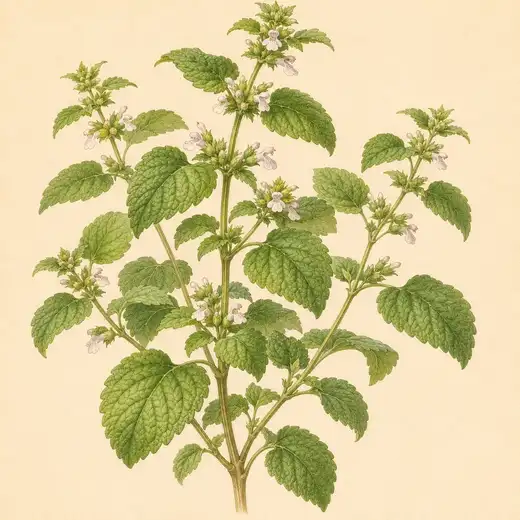
Lemon balm
This lemon-scented herb grows in a range of soils, in sun or partial shade, and bears small flowers in summer. Its leaves are traditionally used in cooking, fragrant teas and herbal preparations.
50 g bag
£4.00
View and buy ↗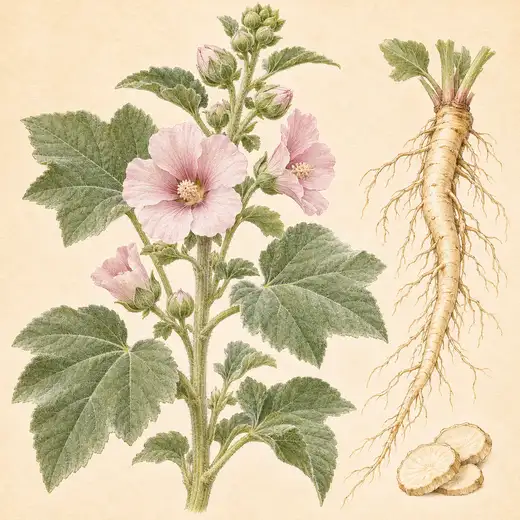
Marshmallow root
Marshmallow favours damp meadows, marshes and stream edges, with moist soil. Its pale pink flowers appear from midsummer to early autumn. The mucilaginous root has a long history in European herbal preparations and was also used in early marshmallow confection.
50 g bag
£4.00
View and buy ↗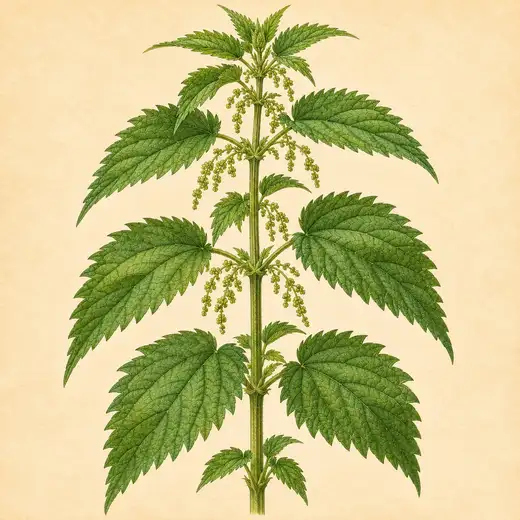
Organic nettle
Nettle is common in fertile, moist places such as field margins and woodland edges. Its greenish flowers appear from late spring to early autumn. Young leaves have traditionally been eaten as a spring green, added to soups and brewed as an infusion.
50 g bag
£4.00
View and buy ↗
Organic Moringa Leaves
Moringa oleifera is native to the Indian subcontinent and thrives in warm, sunny, well-drained conditions. Its clusters of creamy-white flowers can appear throughout much of the year in tropical climates, followed by long seed pods. The nutritious leaves are traditionally cooked as a green, dried for infusions and used in regional herbal preparations.
40 g bag
£4.50
View and buy ↗
Organic Oregano
Oregano grows naturally on sunny, rocky slopes and open hillsides across the Mediterranean and western Asia. Its small pinkish-purple flowers appear through summer, attracting bees and other pollinators. The aromatic leaves have long been used in Mediterranean cooking and traditional herbal infusions.
50 g bag
£4.00
View and buy ↗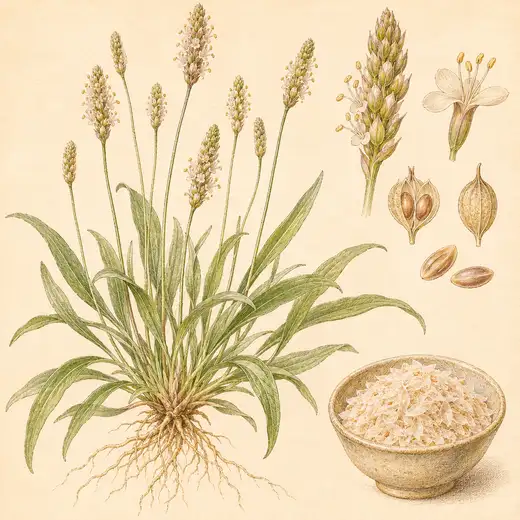
Psyllium husks
Psyllium grows in dry, sandy regions; its small flower spikes usually develop in spring in its native range. The husks are seed coats and have a long history as a fibre-rich ingredient in traditional preparations.
100 g bag
£4.00
View and buy ↗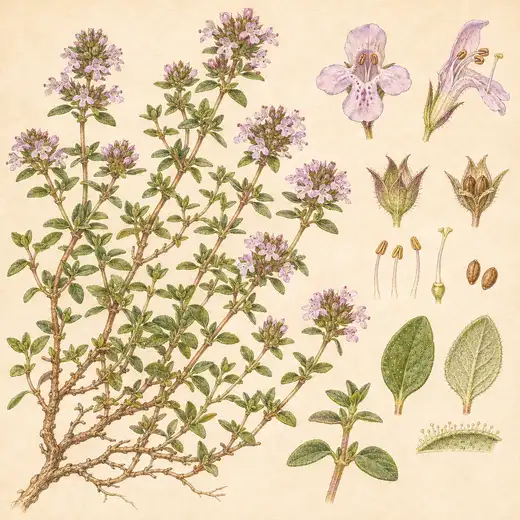
Thyme
A sun-loving Mediterranean herb, thyme prefers dry, well-drained soil. Its small flowers appear in late spring or summer, and both leaves and flowers have a long history in cooking and herbal infusions.
50 g bag
£4.00
View and buy ↗
Valerian Root
Valeriana officinalis grows in damp meadows, riverbanks and woodland margins across Europe and parts of Asia. Its fragrant clusters of pale pink or white flowers rise above divided leaves in early to midsummer. The dried root has a long history in European herbal traditions, particularly in preparations associated with rest and relaxation.
25 g bag
£3.50
View and buy ↗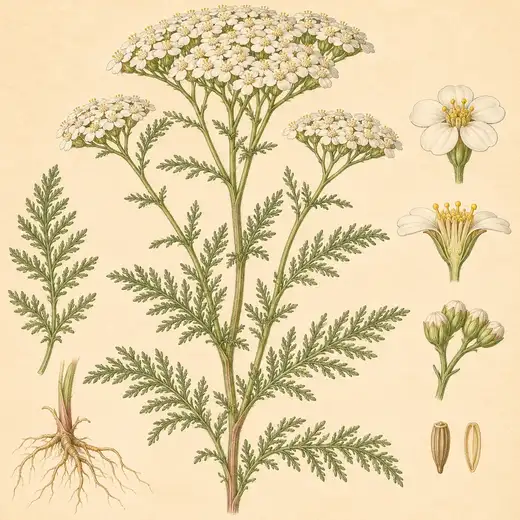
Yarrow
Yarrow grows in open grassland and sunny places, including poorer, drier soils. Its flat flower clusters are a summer and early-autumn feature; the herb has a long history in European herbal traditions.
50 g bag
£4.00
View and buy ↗